A communication-first freelancing platform designed to help clients and freelancers connect, collaborate, and build trust through messaging, video calls, community blogs, and profile-based service discovery.
WorkWiz is a freelancing platform for digital services. The concept focuses on communication, community, and appreciation — not just hiring and payment. Its core experience connects clients and freelancers through service profiles, chat, video calls, blogs, and e-gift appreciation.
Many freelancing platforms help users find work, but the collaboration itself often feels disconnected. WorkWiz explores how a mobile platform can support trust, clearer communication, and a stronger sense of community between clients and freelancers.
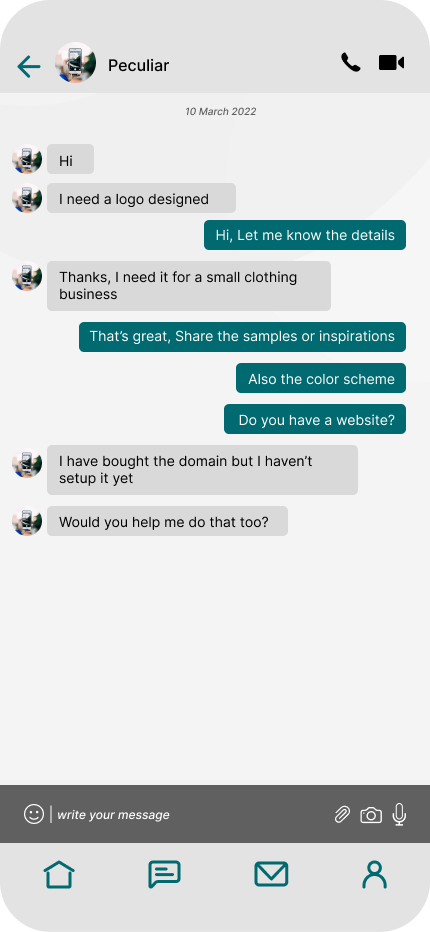
Users need easier ways to discuss project details, ask questions, and reduce misunderstanding.
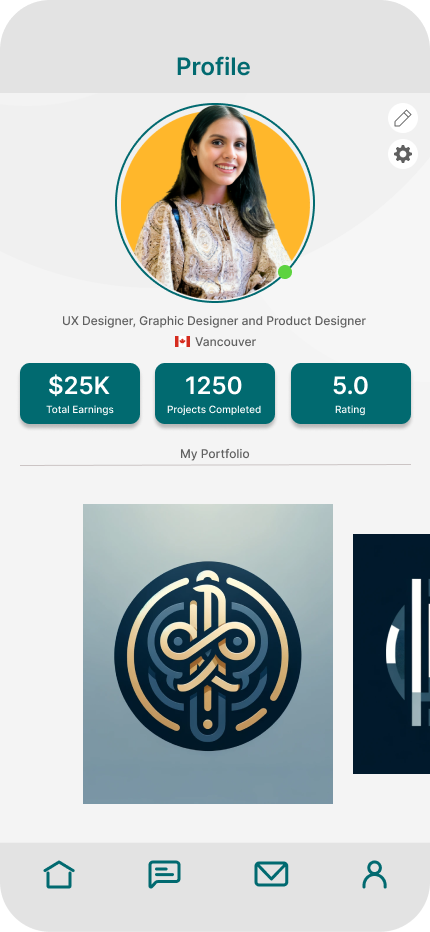
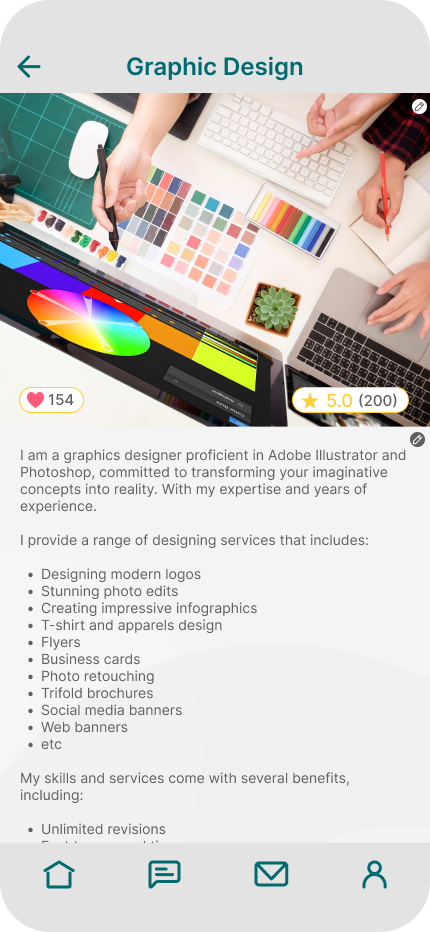
Profiles, ratings, portfolios, and service details help users evaluate who they want to work with.
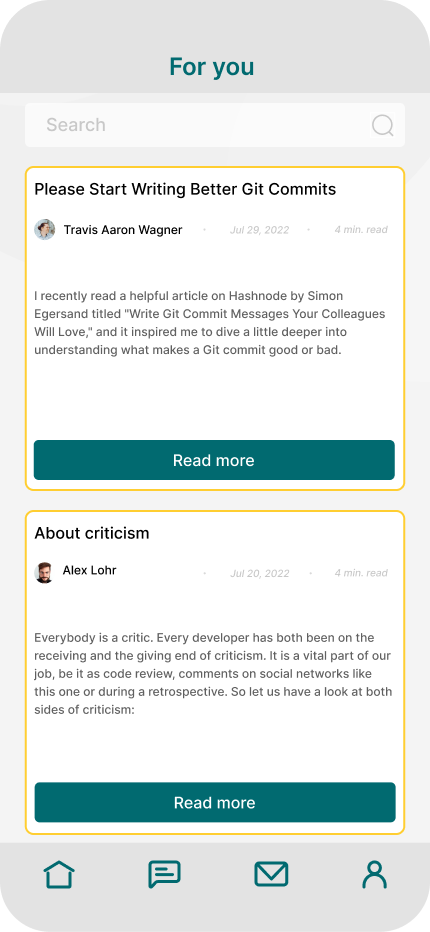
Blogs and shared experiences create a stronger sense of learning and connection beyond transactions.
The research reviewed platforms like Upwork, Freelancer, Fiverr, Toptal, and Guru to understand common patterns around hiring, communication, bidding, service discovery, and professional trust.
The experience was shaped around both freelancers and clients — people who need to build trust quickly, communicate clearly, and move from discovery to collaboration.
A freelance graphic designer who uses WorkWiz to showcase her portfolio, communicate with clients, join the community blog, and build stronger professional relationships.
A small business owner looking for skilled professionals. He values project clarity, video discussions, messaging, and being able to review services before hiring.
WorkWiz combines marketplace functionality with communication tools to make remote freelance work feel more collaborative.
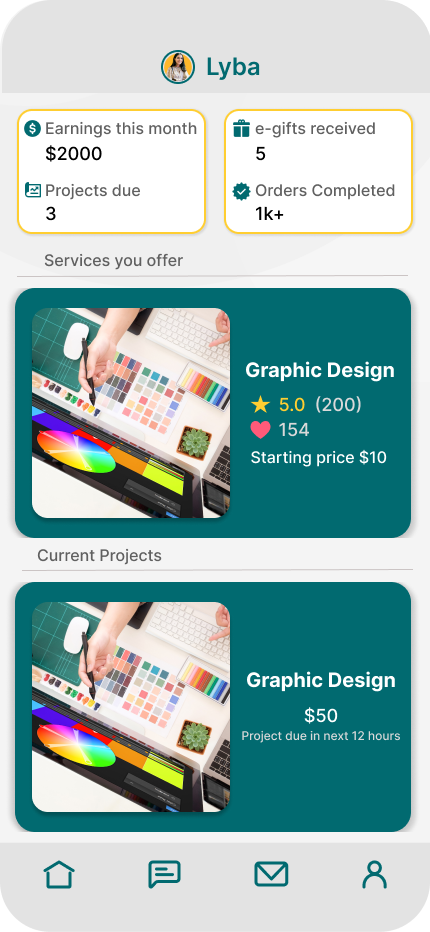
The home and service detail screens help users understand services, pricing, ratings, and project status in a direct mobile-friendly layout.
Chat, inbox, and video calling support quick project conversations and help users clarify details before committing to work.
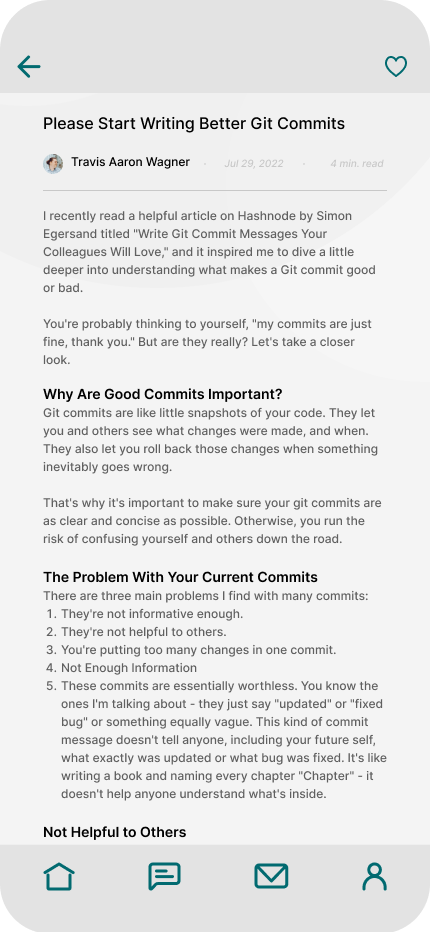
The blog section gives freelancers and clients a place to learn, share advice, and build credibility beyond service listings.
The interface uses a soft grey background, teal brand color, rounded mobile surfaces, and consistent bottom navigation to keep the experience approachable and easy to move through.
Instead of isolated screens, the experience was designed as a connected workflow — from discovery and messaging to profiles, blogs, and communication.
Real-time communication helps freelancers and clients align faster, ask questions, and collaborate more naturally.
The home and service detail experiences help users browse offerings, evaluate profiles, and move smoothly into conversations.
The blog space extends the platform beyond transactions and encourages users to learn, share experiences, and build credibility.
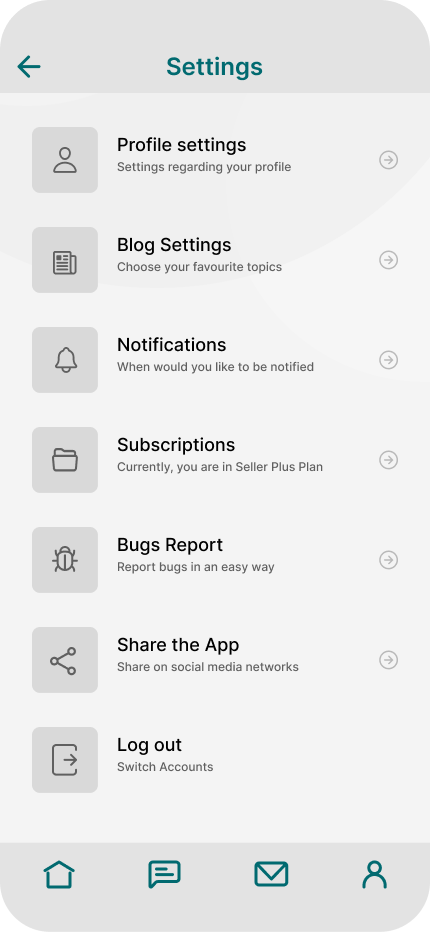
Profile management and settings help users control how they present themselves, communicate, and manage their experience.
During evaluation, feedback highlighted opportunities to improve home screen readability, make the profile page more attractive, and improve font readability through better contrast and weight. These insights helped shape the final direction.
Home screen information needed clearer hierarchy and stronger legibility.
The profile page needed stronger visual appeal and a more polished presentation.
Fonts and contrast needed refinement to improve overall readability.
WorkWiz helped me think about UX as an ecosystem: discovery, communication, trust, and relationship-building. The strongest lesson was learning how product features can support emotional needs — not just functional tasks.